A burst pipe, an overflowing toilet, a roof leak or a water heater that gave out: the first day or two matter, because the EPA says wet materials should be dried within 24 to 48 hours to prevent mold. Call (number coming soon) to talk to a local water damage company.
Free referral service. Calls connect you with an independent local company.
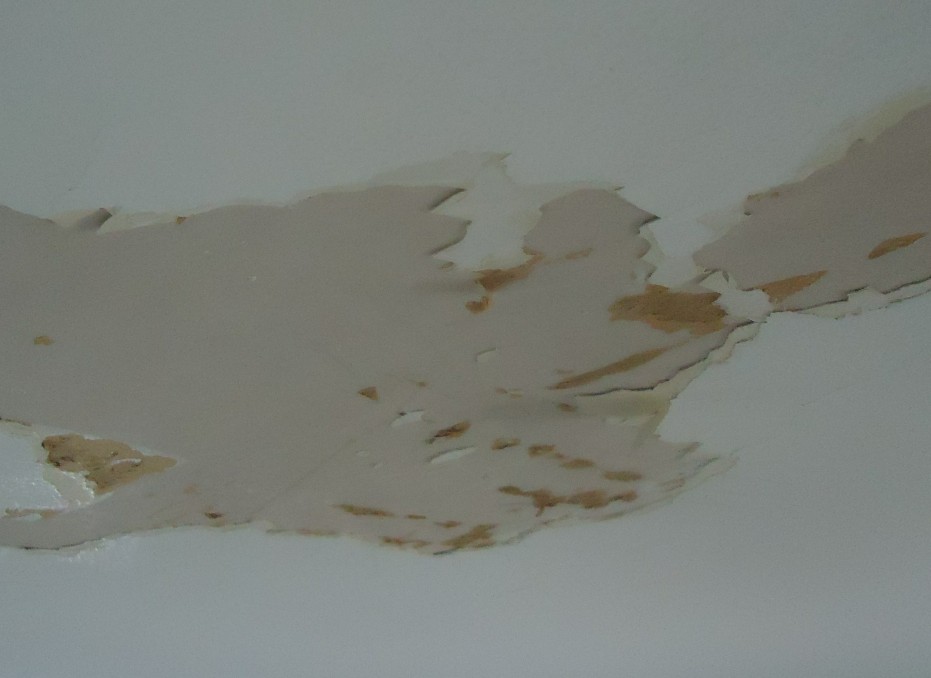
What to do in the first hour
- Stop the water if it’s safe: shut the valve behind the fixture or the main water valve.
- If water is near outlets, cords or the electrical panel, stay out of it. Turn the power off at the breaker only if you can reach it from a dry spot; otherwise call LADWP.
- Move rugs, electronics and anything that can be carried out of the wet area. Set furniture legs on blocks or foil.
- Take photos and video before anything is moved or thrown out, for your insurer or landlord.
- If you rent, tell your landlord or property manager in writing right away.
Clean water, gray water and sewage
Restoration companies sort water by how contaminated it is. The industry standard (IICRC S500) calls these Category 1, 2 and 3.
- Clean water from a supply line or faucet. Usually dried and saved if it’s handled quickly.
- Gray water from a washing machine, dishwasher or a toilet overflow without waste. Needs cleaning as well as drying.
- Sewage or outside floodwater. Porous materials it touched, like carpet pad and drywall, are usually removed. Keep children and pets away.
Clean water left standing can become gray water, which is another reason not to wait.
What a water damage job usually includes
- Moisture meter readings to find how far the water spread, including inside walls and under floors
- Pumping or extracting standing water
- Drying with air movers and dehumidifiers, checked over several days until readings are back to normal
- Removing materials that can’t be dried or are contaminated
- Cleaning, and antimicrobial treatment where needed
- Repairs, or a referral for them
Insurance basics
Homeowners policies often cover sudden, accidental water damage like a burst pipe, and often exclude slow leaks and flooding from outside, which needs separate flood insurance. Every policy is different, so check yours or call your insurer before you sign anything. Many restoration companies bill insurance directly; ask how they handle it and what you’d owe if a claim is denied.
Questions to ask the company
- Will you send me the moisture readings and photos?
- How will you know when everything is dry?
- What will you remove, and why?
- Do you follow the IICRC S500 water damage standard, and do your technicians hold the IICRC WRT certification?
- Will repair work be done under a California contractor license? (Check any license at cslb.ca.gov.)
- What happens if you find mold? (What mold removal involves.)