A musty smell with no visible mold usually means moisture is hiding somewhere, like inside a wall, under the floor or in the ductwork. An inspection finds where it is and how far it has spread. Call (number coming soon) to talk to a local inspection company.
Free referral service. Calls connect you with an independent local company.
Signs it’s time for an inspection
- A musty or earthy smell that stays after cleaning
- Stains or bubbling paint on walls or ceilings
- A recent leak, overflow or flood, even if it looks dry now
- Warped baseboards or soft spots in the floor
- You’re buying or selling a home and want a clear answer
- Allergy-like symptoms that ease when you leave the house
What an inspection usually covers
- A visual check of the problem areas and the rooms around them
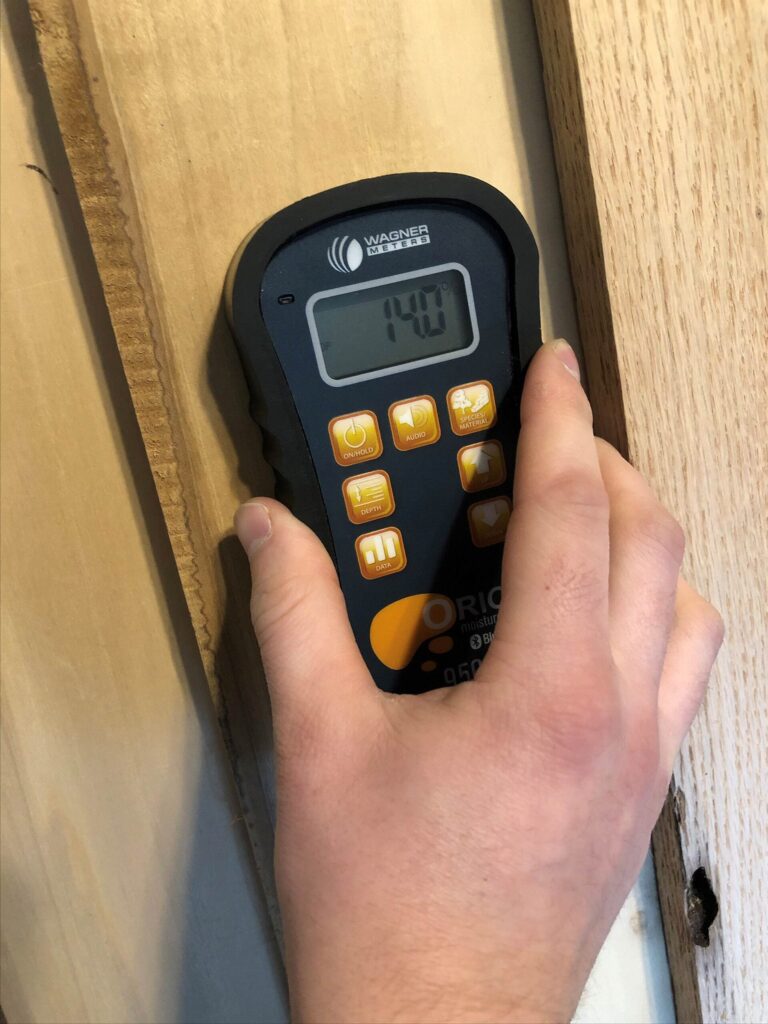
- Moisture meter readings in walls, floors and ceilings
- A look at likely sources: plumbing, roof, windows, ventilation, crawl space
- Air or surface samples, only when they will answer a real question
- A written report with what was found and what to fix
Do you need mold testing?
Often not. The EPA says that when mold is visible, sampling usually isn’t needed, because it needs removing either way. Testing helps when:
- You smell mold but can’t find it
- You need proof for a landlord, a home sale or an insurance claim
- You want to confirm a cleanup worked
Inspection vs. remediation
Some companies inspect and remediate. Others only inspect, which some homeowners prefer so the person finding the problem isn’t also selling the fix. Ask which kind you’re talking to.